28 Out of the Box Homeschool Extracurricular Activities
One of the greatest blessings of homeschooling is the freedom it offers—freedom to tailor learning to your child’s interests, set a flexible schedule, and incorporate real-world experiences into their education. But let’s be honest, every homeschool parent has heard the dreaded words: “I’m bored.” That’s why daily homeschool activities and homeschool extracurricular activities are essential to a well rounded homeschool education!

Instead of seeing boredom as a problem, think of it as an opportunity. Children often need time and space to explore new interests, develop creativity, and engage in meaningful social interactions. A thriving homeschool life doesn’t mean sitting at the kitchen table all day with textbooks. It means finding ways to integrate learning with hands-on activities, movement, and healthy habits that fuel both the body and the mind. That’s where these homeschool activities come in to play!
One of the best ways to keep homeschooling exciting while ensuring a strong social life is through homeschool extracurricular activities. These experiences allow kids to develop skills, build friendships, and stay active—all while reinforcing their education in a practical and engaging way.
But let’s take it a step further. Extracurricular activities for homeschoolers also gives families a unique opportunity to make health and fitness a normal part of daily life. From choosing nutrient-dense meals together to getting outside for physical activities, integrating these homeschooling activities can be a launching pad for a lifestyle that promotes strength, energy, and well-being.
Our Homeschooling Journey and How Homeschool Activities Play Their Part
For our family, homeschooling has always been the plan, but I’ll be honest—I wasn’t sure I could handle it! Our kids have experienced private school, public education programs, and now, homeschooling full-time. In the beginning, I questioned whether I could manage four kids under one roof all day—juggling lessons, adapting to different learning styles, and keeping up with my own work felt overwhelming let along adding extracurricular activities for our homeschool day!
But here we are. And, to my surprise, at the end of it all, my boys prefer the freedom that homeschooling allows!
This year is our first full year homeschooling, and I won’t sugarcoat it—the first semester was rocky at best. We spent most days just surviving, figuring out how to juggle schoolwork, my coaching business, and still carve out time for socializing. Some days, the house was chaos. Some days, I questioned whether I was doing enough. But over time, we found a flow that works for us.
Finding homeschool extracurricular activities that match my families energy…
Now that we’ve settled into a rhythm, I started looking for more ways to enrich our days—not just with traditional subjects, but with activities that build lifelong skills, encourage movement, and bring adventure into learning. (Okay, let’s be honest—I’m still overwhelmed, but at least it’s a more subtle overwhelm!)
When I started searching for extracurricular ideas online, I found plenty of the usual options—art classes, co-ops, music lessons. They were great, but they were missing something. Where was the movement? The challenge? The adventure? That’s why I created this blog post—to share not just the typical extracurriculars, but also active, hands-on, and outdoor experiences that fuel both the body and the mind.
If you’ve ever felt stuck in your homeschool routine or wondered how to add more creativity, movement, and real-world experiences into your child’s education, this list is for you. Let’s make homeschooling not just about learning but about thriving.
Are Homeschoolers Under-Socialized?
Ouch! What a rude question. Ha! I know it’s a genuine concern for a lot of folks, but let’s look at it this way—have you ever met an awkward kid in public school? I’m going to bet the answer is yes.
If public school is supposed to be the foolproof method for great socialization, then why does that happen? Probably because socialization isn’t as black and white as people think. It’s not about being around a set number of kids for a set number of hours a day—it’s about quality interactions, meaningful relationships, and diverse experiences.
And I can confidently say my kids get plenty of that.
More Meaningful Friendships
Homeschooling allows kids to form deeper friendships because their relationships aren’t limited to whoever sits next to them in a classroom. They spend time with kids of all ages who share common interests—whether that’s at playgroups, sports, co-ops, or community events. Instead of being confined to a peer group of kids their exact age, they develop friendships based on genuine connection, not just proximity.
One of my favorite things about homeschooling is seeing my boys connect with such a wide range of people.
- At playgroups, they run around with older kids who challenge them athletically and younger kids who they naturally learn to help.
- At story time, they play alongside toddlers and show patience and leadership in helping them with crafts.
- At church and community events, they talk with adults, teenagers, and kids alike—learning to communicate across age groups instead of just their own.
And then there’s the coffee shop crew.
One of our favorite weekly outings is stopping at a local coffee shop where my boys have met the most interesting people. They’ve had delightful conversations with a Catholic priest about why he wears his uniform. They’ve listened to an older couple tell stories about how they once adopted a monkey, and they even got to keep a photo of them as a young couple with their monkey and their cat! These are the types of interactions you just don’t get sitting at a school desk all day.
A Flexible Schedule Means More Socialization, Not Less
The biggest irony? Our biggest challenge isn’t a lack of socialization—it’s getting schoolwork done because we have so many opportunities throughout the week to see other people!
On any given week, we have playdates, library events, church gatherings, fitness activities, co-ops, and nature outings—all providing my boys with rich, real-world social experiences. They don’t just learn how to sit quietly in a classroom; they learn how to navigate social settings in everyday life.
Homeschooling gives us the flexibility to say yes to relationships. Instead of waiting for recess or lunch breaks, we’re out in the world engaging with people across different ages, backgrounds, and experiences.
The Gift of Slow Days: When Homeschool Activities Meet Rest
But here’s the thing—more activities don’t always equal better socialization. In fact, overscheduling kids can be just as harmful as isolating them. Constantly running from school to extracurriculars to practice to church groups can leave kids (and parents!) exhausted and overstimulated.
One of the biggest blessings of homeschooling is the ability to pause.
- My boys have time to sit outside and watch the clouds go by, letting their imaginations run without the pressure of the next scheduled event.
- They can read a book uninterrupted, not worrying about classroom bells or moving on before they’re ready.
- If an outing gets overwhelming, we can go home and recharge instead of pushing through exhaustion just to make it to practice or Wednesday night church group.
They have time to just be—creative, thoughtful, and simply kids.
Instead of structuring every waking moment, homeschooling allows for balance—time for adventure, time for learning, and time for quiet. And that, in itself, is just as valuable as any scheduled extracurricular.
Socialization is What You Make It
At the end of the day, socialization isn’t about school—it’s about life. My kids are well-mannered, talkative, athletic, and articulate. They can work out disagreements with friends (with a little guidance at this age), have conversations with adults, and make friends anywhere we go.
They’re also learning real-world communication skills that many kids don’t develop until much later. My older boys—at just seven and five—can ask the waiter for their own order at a restaurant or handle an entire checkout interaction with the cashier at the store. The babies will be right behind them because self-sufficiency is a learned skill—one that’s often overlooked in today’s academics.
Beyond that, they’re gaining social experience through homeschool extracurricular activities that encourage teamwork, leadership, and confidence. Whether it’s group hikes, library story time, fitness playgroups, or co-ops, they’re constantly engaging with people of all ages in different settings.
So, are homeschoolers under-socialized? I’d argue they’re some of the best socialized kids around. Because instead of spending most of their day confined to one classroom, they’re out in the real world—learning, talking, playing, and connecting.
Creative Homeschool Extracurricular Activity Ideas
Outdoor Adventure & Movement-Based Activities
- Hiking Clubs – Organize a group of homeschooling families to explore local trails, national parks, and nature preserves. Make it an educational experience by identifying plants, tracking wildlife, or learning topographic map skills.
- Camping & Survival Skills Programs – Multi-day or weekend camping trips teach outdoor cooking, fire-starting, navigation, and survival skills. Many states offer homeschool-friendly outdoor education programs.
- Homeschool Farm Co-Ops – Participate in community farms where kids can learn about gardening, animal care, sustainability, and food production. This is also a great way to get kids involved in growing and eating fresh, whole foods.
- Wildlife Tracking & Conservation Groups – Many wildlife centers offer programs that teach children about tracking animals, conservation efforts, and ecosystem health.
- Horseback Riding Lessons & Equine Therapy – Riding strengthens balance, coordination, and confidence, while learning to care for horses teaches responsibility.
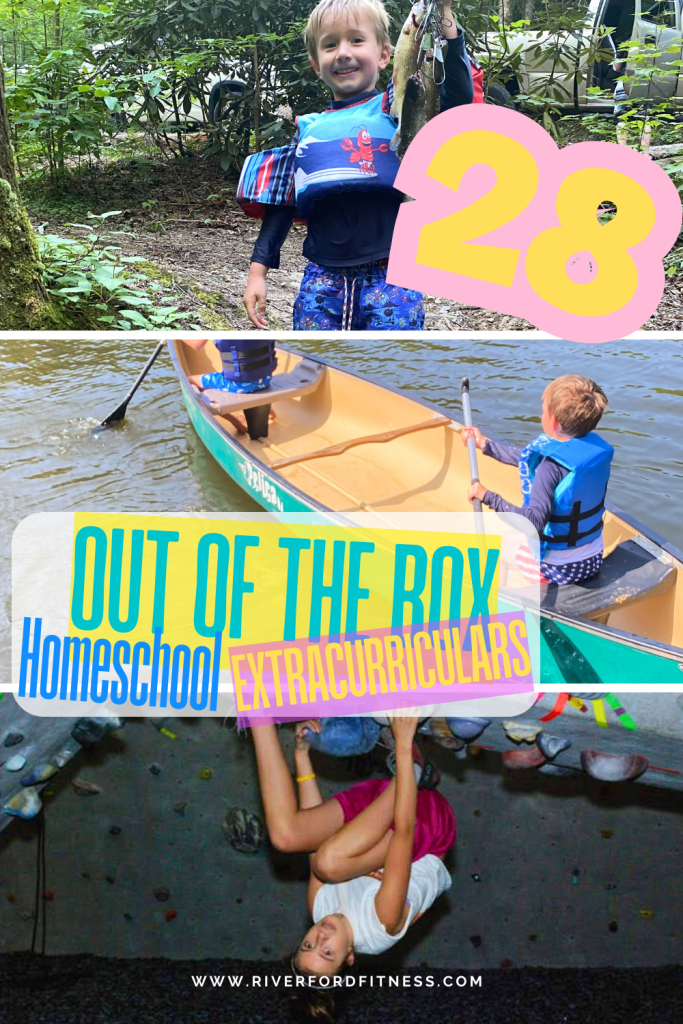
- Rock Climbing – Builds problem-solving skills, full-body strength, and resilience. Many climbing gyms offer homeschool-friendly classes.
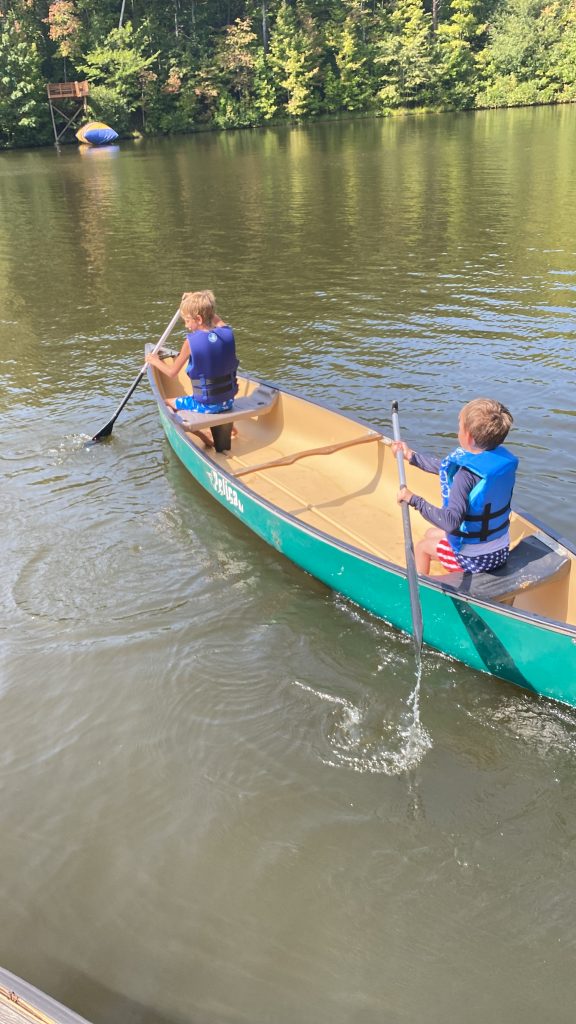
- Canoeing & Kayaking – Great for developing upper-body strength, coordination, and teamwork. Many state parks and outdoor recreation groups offer paddling courses.
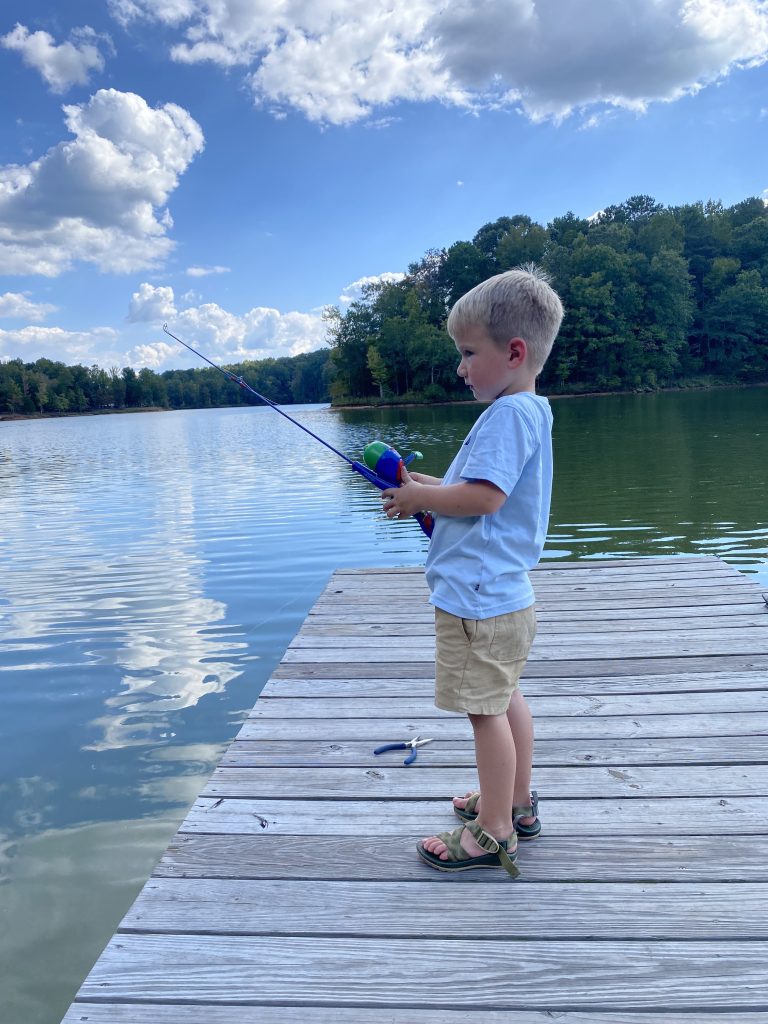
- Fishing & Angling Clubs – Teaches patience, environmental awareness, and hands-on biology lessons while enjoying time outdoors.
- Archery & Bow Hunting Education – Develops focus, discipline, and safety awareness. Many states offer youth archery and hunter safety programs.
- Geocaching & Orienteering – A real-life treasure hunt using GPS and map-reading skills. This is a great way to combine adventure with problem-solving and outdoor exploration.
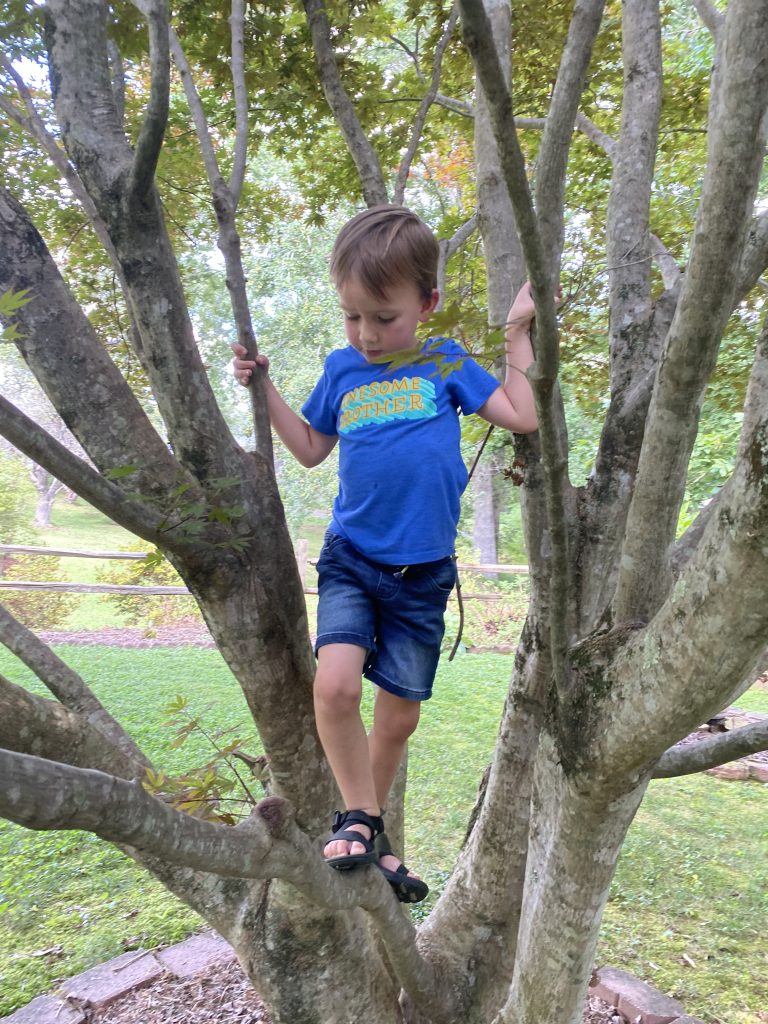
- Obstacle Course Training & Parkour – Set up backyard obstacle courses or find a local gym that offers parkour classes. These activities improve agility, coordination, and overall athleticism in a fun way.
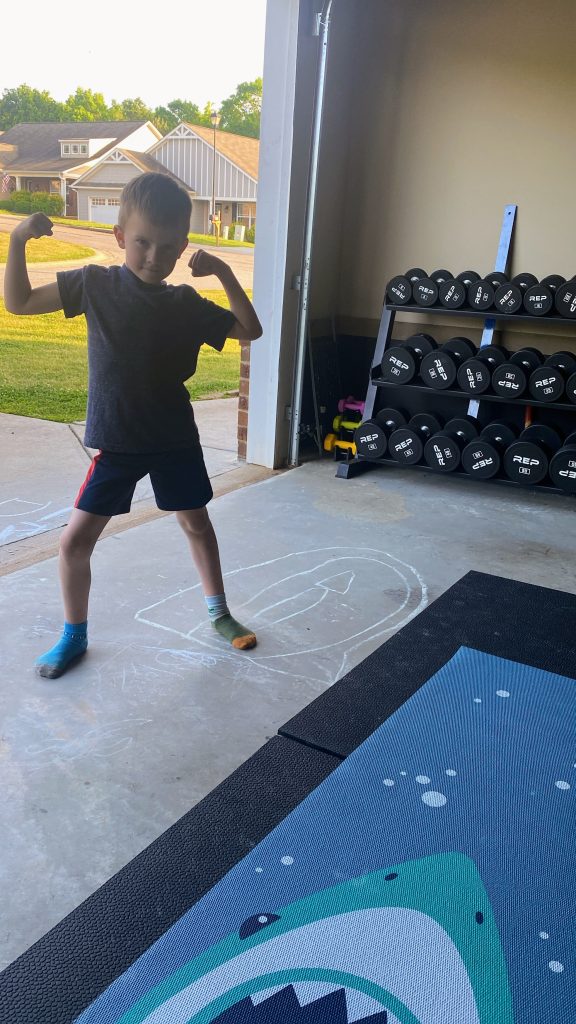
Fitness as a Family: Moving Together as a daily homeschool activity
Incorporating movement into homeschool life doesn’t have to be complicated. Kids love to move—it’s us as adults who tend to overthink it! Instead of treating exercise as something separate, make it a natural part of your daily routine.
- Daily Family Walks – Walk before breakfast, after lunch, or as an evening wind-down. Not only does this encourage movement, but it also provides time to connect as a family.
- Strength Training Together – Kids love to mimic what they see their parents do. If you lift weights, let them try bodyweight exercises or light resistance bands alongside you.
- Movement Breaks Between Lessons – Short bursts of activity—like jumping jacks, bear crawls, or quick sprints—can help kids refocus and get their energy out between subjects.
- PE Days – Designate a day each week for structured physical activity, whether that’s a game of soccer, a family swim, or an at-home circuit workout.
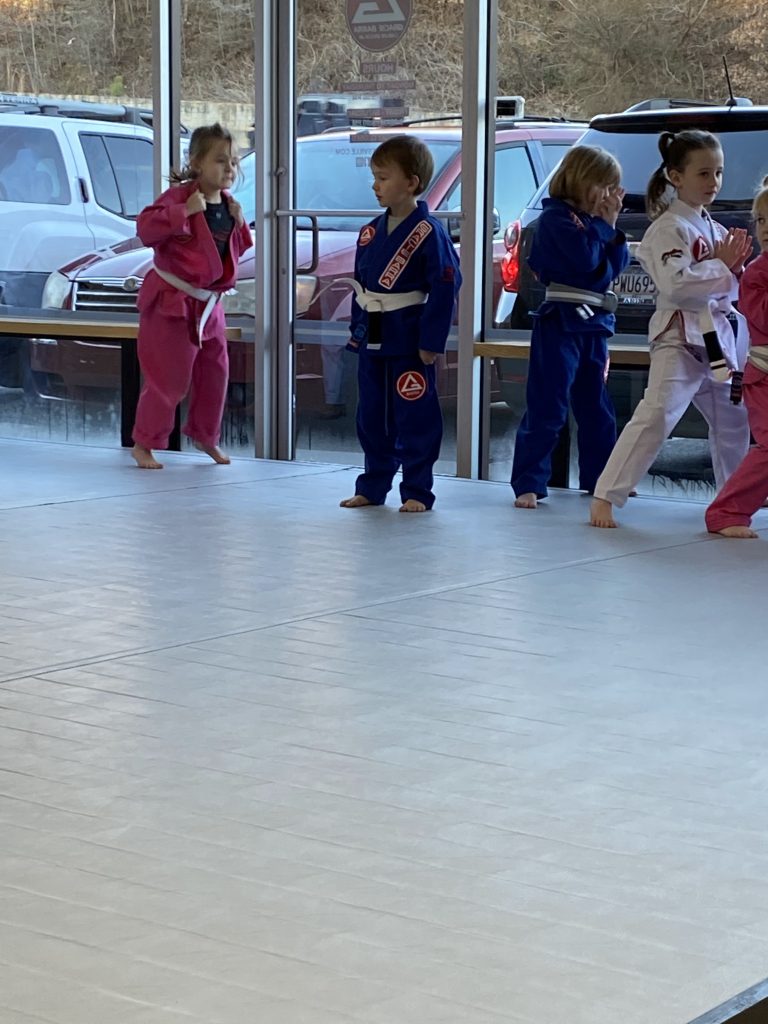
- Try a New Sport Together – Use homeschooling as an opportunity to expose your kids to different physical activities like tennis, martial arts, or even surfing if you’re near the coast.
Nutrition & Healthy Eating for Homeschool Families
This homeschool extracurricular activity includes the entire family! Just like movement, food is fuel. When you’re home most of the day, it’s easy for kids to reach for snacks out of boredom rather than hunger. Instead of restricting foods, focus on teaching kids to fuel their bodies with the right nutrients.
- Make Meal Prep a Learning Experience – Cooking together teaches life skills, math (measurements), and even science (the chemistry of baking). Let your kids help choose a high-protein meal and prepare it with you.
- Plan Balanced Homeschool Lunches – Think protein + fiber + healthy fats. For example, grilled chicken with roasted sweet potatoes and avocado slices, or Greek yogurt with berries and nuts.
- Teach Them to Read Labels – Help kids understand what they’re putting in their bodies by teaching them how to read food labels and look for quality ingredients.
- Grow a Garden – Even a small herb or veggie garden can help kids connect with their food and encourage them to try new flavors.
- Hydration Challenges – Make drinking water fun by setting a daily goal or letting kids track their intake with a chart.
Healthy eating habits start at home.
Here is a list of high-protein, kid-friendly meal ideas the entire family can enjoy-even if mom is on her own fitness journey!
Healthy Homeschool Snack Ideas:
- Greek yogurt with granola and berries
- Cottage cheese with honey and almonds
- Apple slices with peanut butter
- Hard-boiled eggs and cheese sticks
- Homemade protein muffins
Simple & Balanced Homeschool Lunches:
- Build-Your-Own Wraps – Whole wheat tortillas with turkey, cheese, and veggies
- Mini Protein Bowls – Grilled chicken, brown rice, and roasted veggies
- Egg Muffins – Scrambled eggs baked with spinach and feta
- DIY Snack Boards – Deli meat, cheese, nuts, fruits, and whole-grain crackers
More Homeschool Extracurricular Activities to Build Skills & Friendships
Creative Arts & Hands-On Learning Homeschool Activities
- Community theater
- Photography & filmmaking
- Woodworking & DIY crafting
- Pottery & ceramics classes
- Creative writing & storytelling workshops
- Book clubs with hands-on extensions
STEM & Technology-Based Activities
- LEGO robotics & engineering clubs
- Astronomy groups
- Coding & game design
- Electronics & DIY science projects
- Math circles & puzzle groups
Community & Leadership-Based Activities
- Speech & debate clubs
- Volunteering & service projects
- Entrepreneurship & business clubs
- Public library programs
I Wish I Hadn’t Made It So Complicated at First
If I could go back and give myself one piece of advice when we started homeschooling, it would be this: stop making it so complicated.
In the beginning, I had all these expectations about what homeschooling was supposed to look like especially the extracurricular activities for homeschool. I had this curated, idealistic image in my head—probably influenced by too many Pinterest-perfect homeschool spaces and mommy influencers who seem to have it all together.
But here’s the truth: I am a working mom. My entire day does not revolve around making everything from scratch, spending hours outside with my kids (they play outside while I work on my computer on the porch or with the door open so I can keep an ear out), or meticulously crafting a new sensory activity every afternoon. My kids were going to have to be more independent and creative without me at times.
And that’s not a bad thing.
If anything, it’s a lesson in real life. My kids see me working hard toward a goal, and they’re learning that they can’t always rely on me for constant entertainment. They have to problem-solve, improvise, and take ownership of their learning. Some days, that means inventing a new game in the backyard. Other days, it means flipping through books, building with LEGOs, or creating something out of nothing.
This shift in mindset helped me see that homeschooling doesn’t have to fit a single mold—especially when it comes to homeschool extracurricular activities. A perfectly structured routine with a color-coded planner isn’t necessary. Replicating a traditional school day at home isn’t either. Homeschooling can be messy, flexible, and adapted to real life.
And honestly? That’s when it started working.
Quick-Start Guide for New Homeschoolers
If you’re just starting out or feeling overwhelmed about how to add extracurriculars, here’s what I wish I had known in those early days:
- Start with Interests – Ask your kids what excites them. Do they love animals? Try horseback riding. Do they build towers out of everything? Try LEGO robotics. Follow their curiosity instead of forcing something just because it sounds educational.
- Keep It Simple at First – Choose one or two activities per week instead of overscheduling. Let them settle into homeschooling before you add too much to the mix.
- Look for Local Groups – Homeschool co-ops, sports teams, and church groups are great places to find activities and friends. If you can’t find what you’re looking for, consider starting a group yourself.
- Prioritize Movement & Health – Make family walks, fitness breaks, and cooking together a non-negotiable part of your week. Kids learn better when they move, and they thrive when they eat well.
- Stay Flexible – What works for one season may not work in another. Adapt as your child’s interests, energy levels, and schedules shift. Some months, you might do more outdoor activities; other times, indoor hobbies might take priority. That’s okay!
At the end of the day, homeschooling isn’t about following someone else’s perfect routine—it’s about creating a rhythm that fits your family. And when you embrace that, you’ll find a freedom that makes homeschooling so much more fulfilling.
The Homeschool Advantage: A Lifestyle of Learning & Health
One of the most powerful aspects of homeschooling is the ability to teach your children not only academic knowledge but also how to live well. Health isn’t just about doing a workout or following a diet—it’s about fostering a lifestyle where movement, nutritious food, and rest are valued as essential parts of life.
With the right extracurriculars, homeschool kids don’t miss out on socialization, structure, or skill-building opportunities. In fact, they gain the advantage of a flexible education that encourages creativity, movement, and lifelong healthy habits.
What are some of your family’s favorite extracurricular activities? How do you incorporate movement and healthy habits into your homeschool life? Share in the comments!
Here are some other articles you will enjoy:
3 Non-Scale Victories: Winning Beyond The Scale
Crafting Your Dream Body: The Ultimate Macro-Friendly Food Grocery List
4 Pregnancy Fitness Myths You might believe
Why you’re not losing weight in a calorie deficit
Sleep Routine for Moms: 7 Simple Tips to Rest, Recharge, and Thrive
3 Time Management Tips to Crush It at Mom Life